In the ever-evolving world of global politics, understanding the nuances of different governmental structures can feel like a real deep dive – almost like deciphering a complex algorithm!
From my own experience navigating various systems, I’ve found that some of the most fascinating insights come from the smaller, yet incredibly influential, nations.
We often hear about the big players, but what about the hidden gems that exemplify stability and democratic principles? Luxembourg, a tiny Grand Duchy at the heart of Europe, stands out as a prime example.
You might not immediately think of its parliament as a hot topic, but believe me, there’s a treasure trove of lessons in governance to uncover. With the recent general elections in October 2023, the country’s political landscape has been a subject of renewed interest, showcasing a vibrant multi-party system that truly reflects its diverse population.
This isn’t just about dusty old laws; it’s about real people, real representation, and a system designed for stability and public engagement in an increasingly interconnected world.
For anyone interested in the future of democratic institutions and how smaller nations maintain such robust systems, this is truly compelling. So, if you’re ready to peel back the layers and discover what makes Luxembourg’s political heart beat, let’s explore exactly how its parliament is composed and functions.
Unpacking the Grand Duchy’s Democratic Foundations
A Unique Blend of Monarchy and Parliament
When I first delved into Luxembourg’s political system, I was immediately struck by its fascinating blend of old-world tradition and modern democratic principles.
It’s not every day you see a constitutional monarchy where the Grand Duke plays a largely symbolic, yet deeply respected, role, while the real legislative muscle rests with an elected parliament.
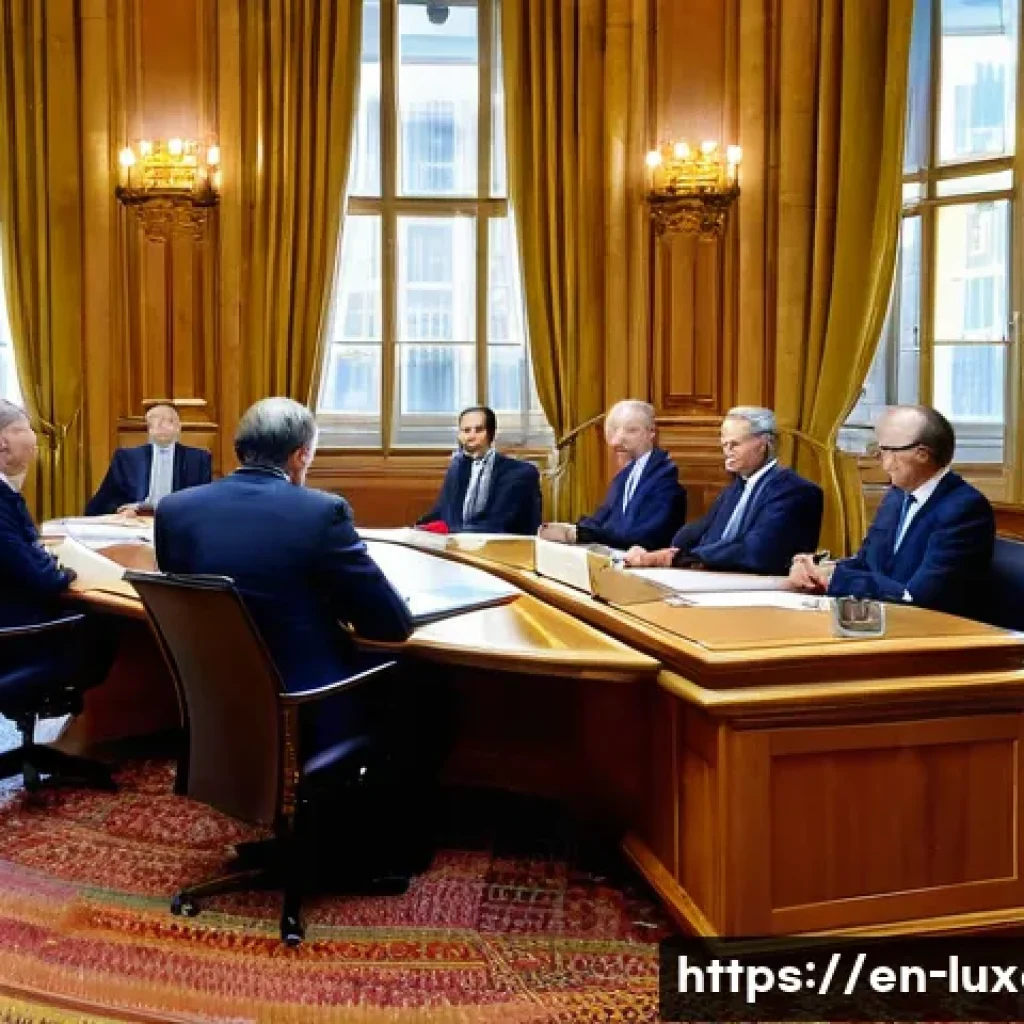
This tiny nation, often seen as a financial powerhouse in Europe, actually holds some profound lessons in stable governance. The Chamber of Deputies, their unicameral national legislature, is truly the beating heart of their democracy, comprising 60 members who are tasked with representing the diverse voices of the Grand Duchy.
What I’ve really come to appreciate is how seamlessly they integrate this historical structure with a vibrant, forward-thinking approach to law-making and public service.
It feels like a well-oiled machine, balancing continuity with progress, which, from my experience, is a delicate act for any government to perform. It’s a system designed to ensure that while history is honored, the future is actively shaped by its citizens.
The Core Principles Guiding Their Governance
Digging deeper, it becomes clear that Luxembourg’s political stability isn’t just a happy accident; it’s built on a bedrock of fundamental principles.
The country prides itself on its commitment to the rule of law, democratic accountability, and an unwavering dedication to its citizens’ well-being. From my conversations and research, it’s evident that consensus-building is a huge part of their political culture.
Parties, even when in opposition, often seek common ground, prioritizing national interests over partisan squabbles. This really resonated with me because, honestly, how often do you see that in global politics today?
This emphasis on stability and cooperation, coupled with a robust framework for checks and balances, has allowed Luxembourg to maintain its highly attractive “AAA” rating and a consistently high quality of life for its residents.
It’s truly a testament to a system that encourages dialogue and shared responsibility, rather than constant conflict.
The Electoral Arena: How Luxembourg Chooses Its Leaders
Understanding Proportional Representation in Action
If you’ve ever found yourself scratching your head over complex electoral systems, you’re not alone! But Luxembourg’s approach to electing its 60 deputies is surprisingly straightforward, at least in its core philosophy: fairness.
They operate on a system of universal suffrage, meaning every citizen aged 18 and over gets to cast their vote. What’s truly unique, and something I personally find quite intriguing, is that voting is actually mandatory for eligible citizens.
Imagine that! This helps ensure high participation and broad representation. The country is split into four multi-member constituencies – North, East, South, and Centre – and seats are allocated using proportional representation.
This system, in my opinion, does an excellent job of ensuring that smaller parties and diverse viewpoints still have a real shot at being heard in the Chamber.
It means your vote, no matter who you cast it for, genuinely contributes to shaping the legislative landscape.
The October 2023 Shift: What the Elections Revealed
The general elections held in October 2023 were a big moment, and like many political watchers, I was keen to see the outcome. What unfolded was a testament to the dynamic nature of Luxembourgish politics, even within its stable framework.
The Christian Social People’s Party (CSV) emerged as the largest party, which, while not a surprise given their historical dominance, set the stage for a new government.
The incumbent coalition, led by former Prime Minister Xavier Bettel, actually lost its majority, leading to some serious post-election negotiations. This isn’t just about numbers; it’s about the shifts in public sentiment, the issues that resonated with voters, and the careful dance of party leaders coming together to form a workable government.
It always fascinates me how these results reflect the changing priorities of the people, from housing concerns to economic stability, all playing out in the democratic arena.
Inside the Chamber: Debates, Decisions, and Daily Duties
From Bill to Law: The Legislative Process
Imagine walking into a room where the future of a nation is being shaped daily. That’s pretty much what happens in Luxembourg’s Chamber of Deputies. Their primary job, of course, is to legislate – to debate, amend, and ultimately pass laws that impact everyone living in the Grand Duchy.
From what I’ve observed, it’s a meticulously structured process. Bills, whether initiated by the government or by individual deputies, undergo a rigorous examination.
They typically require two separate votes in the Chamber, with a minimum interval of three months between them. This isn’t just a formality; it’s a deliberate mechanism to ensure thorough consideration, allowing for public feedback, expert consultation, and careful reflection before a proposal becomes law.
It truly showcases a commitment to thoughtful governance, a stark contrast to some places where laws can be rushed through with dizzying speed.
The Deputies’ Crucial Role in Governing
The 60 deputies aren’t just there to show up for votes; their role is incredibly multifaceted and vital. Beyond crafting legislation, they play a hands-on part in approving the annual national budget, essentially controlling the purse strings of the nation.
I’ve always felt that budget approval is one of the most powerful forms of oversight a parliament can wield, and in Luxembourg, it’s taken very seriously.
Deputies also actively represent the interests of their constituents, serving as a direct link between the people and the government. They ask questions, initiate debates, and bring local concerns to the national stage.
My personal take is that this constant back-and-forth, this commitment to direct representation, is what keeps the system so grounded and responsive to the needs of everyday Luxembourgers.
It’s a demanding job, but one that truly makes a difference.
Beyond Legislation: Scrutiny and Checks on Power
Keeping the Government Accountable
A strong democracy isn’t just about making laws; it’s about making sure those laws are implemented fairly and that the government itself remains accountable.
And in Luxembourg, the Chamber of Deputies certainly doesn’t shy away from this responsibility. They wield a robust set of tools to scrutinize the executive branch, ensuring transparency and good governance.
This can take many forms, from formal interpellations where ministers are grilled on specific policies to the daily flow of parliamentary questions that keep the government on its toes.
I find this aspect particularly compelling because it demonstrates a genuine commitment to preventing overreach and ensuring that power is always exercised responsibly.
It’s a dynamic tension that’s essential for a healthy democracy, and they seem to manage it with a remarkable degree of effectiveness.
Ensuring Financial Responsibility
When it comes to the nation’s finances, the Chamber of Deputies acts as the ultimate watchdog. Every year, they have the critical task of voting on the state’s budget, a process that requires a deep dive into projected revenues and expenditures.
This isn’t just a rubber stamp; it’s a detailed examination of how public money will be collected and spent. Furthermore, they are responsible for approving the accounts from the previous financial year, ensuring that funds were used as intended.
From my perspective, this financial oversight is absolutely crucial for maintaining public trust and economic stability. It’s a continuous cycle of planning, monitoring, and accountability that ensures Luxembourg’s prudent fiscal management, something that has certainly contributed to its reputation for financial solidity on the global stage.
The Grand Duke’s Enduring (Yet Evolving) Role
A Symbol of Unity, Not Absolute Power
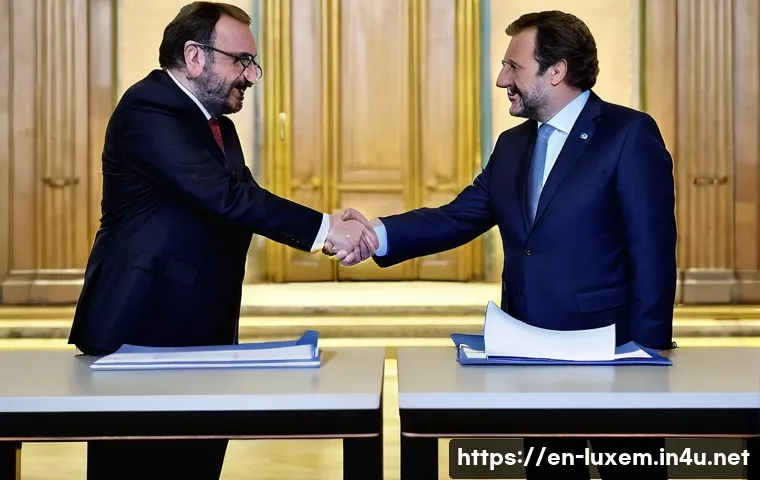
The Grand Duke of Luxembourg truly embodies the nation’s history and continuity, serving as a revered head of state. However, it’s important to understand that in this constitutional monarchy, his role is primarily ceremonial and representative, far from wielding absolute power.
I remember learning about a pivotal moment in 2008 when Grand Duke Henri refused to sign a euthanasia law due to personal convictions. This event actually led to a constitutional amendment that clarified his role, ensuring that he can no longer block legislation passed by the democratically elected Chamber of Deputies.
This evolution fascinates me – it shows a system capable of adapting and reinforcing the primacy of democratic decision-making while still cherishing its monarchical heritage.
He truly is a symbol of national unity, representing Luxembourg on the international stage with grace and dignity, but always within the bounds of a parliamentary democracy.
Formal Duties and Constitutional Safeguards
While the Grand Duke’s political power is limited, his formal duties are significant and integral to the functioning of the state. He formally appoints the Prime Minister after elections, signs laws (which must then be countersigned by a government minister, shifting responsibility to the elected government), and acts as a key figure in international relations.
Every official act he undertakes is subject to ministerial responsibility, meaning a member of the government must countersign it, thereby accepting political accountability.
This constitutional safeguard is, in my opinion, genius! It allows the Grand Duke to fulfill his symbolic duties without direct political interference, while ensuring that all governmental actions are ultimately accountable to the elected representatives of the people.
It’s a perfect illustration of how tradition and modern governance can coexist harmoniously.
Keeping Citizens in the Loop: Participation and Engagement
Beyond Voting: Public Petitions and Assemblies
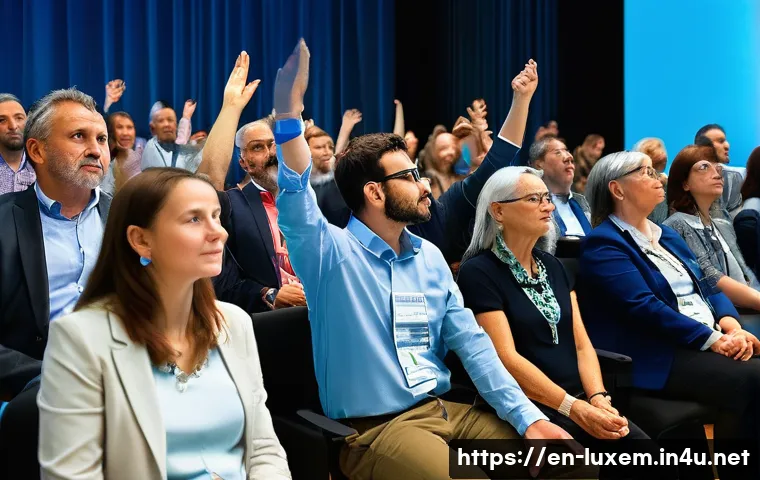
You might think that after casting their vote every five years, citizens’ engagement ends. But in Luxembourg, that’s really just the beginning! What truly impressed me is the emphasis on continuous citizen participation, extending far beyond the ballot box.
One of the coolest mechanisms they have is the public petition system. If a petition gathers 5,500 signatures, it triggers a public debate in parliament, forcing elected officials to address the issue.
I mean, how empowering is that for citizens? It’s a direct line to the legislative process. Additionally, Luxembourg has been experimenting with citizens’ assemblies, bringing together randomly selected individuals to deliberate on complex issues like climate change.
These initiatives really show a commitment to genuine democratic engagement, ensuring that public opinion can directly influence policy-making. It’s truly inspiring to see.
Embracing Digital Democracy for Greater Access
In our increasingly digital world, Luxembourg is certainly not lagging behind. They’ve made significant strides in embracing digital democracy to make participation even more accessible.
The government has launched online participation portals and even a “National Portal for Public Inquiries,” which can be used by public institutions to organize consultations.
From my own experience, having these online platforms makes it so much easier for busy individuals to stay informed and have their say on important matters.
It’s not just about voting; it’s about fostering an ongoing dialogue between the government and its citizens. I’ve personally seen how these digital tools can lower barriers to entry for engagement, making local planning, environmental discussions, and even broader policy debates much more inclusive.
Crafting Consensus: The Art of Coalition Building
The Post-Election Power Play
Following any general election in a multi-party system, the real strategizing begins, and Luxembourg is no exception. With proportional representation often leading to no single party securing an outright majority, forming a stable coalition government becomes an intricate dance of negotiations and compromise.
I’ve always found this “power play” fascinating to watch, as party leaders sit down to hash out a common program that reflects the mandates of their respective voters.
It’s not always easy, of course, as different parties bring their own priorities and ideologies to the table. However, what Luxembourg consistently demonstrates is a capacity for pragmatism and a willingness to find common ground, often prioritizing the nation’s long-term stability and prosperity over short-term political gains.
It’s truly an art form in itself.
The Frieden-Bettel Government: A New Chapter
The October 2023 elections perfectly illustrated this process. After the Christian Social People’s Party (CSV) emerged with the most seats, its leader, Luc Frieden, was tasked with forming a new government.
This ultimately led to the formation of a coalition with the Democratic Party (DP), marking a significant shift from the previous government. The Frieden-Bettel government, sworn in on November 17, 2023, now sees Luc Frieden as Prime Minister and the former Prime Minister, Xavier Bettel, stepping into the role of Deputy Prime Minister and Minister of Foreign Affairs.
This new cabinet represents a fresh chapter for Luxembourg, with its coalition agreement outlining the strategic priorities for the next five years, touching on everything from tax reforms to housing and digitalization.
It’s a clear example of how, even in a small nation, democratic shifts can lead to new leadership and renewed policy directions, all while maintaining that crucial sense of stability the country is known for.
| Political Party | Seats in 2023 Election | Ideological Stance (General) |
|---|---|---|
| Christian Social People’s Party (CSV) | 21 | Centre-right |
| Democratic Party (DP) | 14 | Centre-liberal |
| Luxembourg Socialist Workers’ Party (LSAP) | 11 | Centre-left |
| Alternative Democratic Reform Party (ADR) | 5 | Right-wing populist |
| The Greens (Déi Gréng) | 4 | Environmentalist |
| Pirate Party (Piraten) | 3 | Direct democracy, digital rights |
| The Left (Déi Lénk) | 2 | Far-left |
Wrapping Things Up
Diving deep into Luxembourg’s democratic foundations has been an absolute blast, and honestly, quite an eye-opener. What I’ve really come away with is a profound appreciation for how this small but mighty nation manages to weave tradition with progressive governance. It’s not just about the Grand Duke or the Chamber of Deputies; it’s about the underlying commitment to stability, consensus, and truly empowering its citizens. Seeing a system that consistently prioritizes dialogue over division, and long-term prosperity over fleeting political squabbles, makes me feel genuinely hopeful about what effective governance can achieve. I hope this deep dive has given you a fresh perspective on this remarkable European country, just as it has for me!
Useful Information to Know
1. Did you know Luxembourg consistently ranks among the countries with the highest GDP per capita in the world? This isn’t just a number; it translates into an incredibly high quality of life for its residents, with excellent public services and a vibrant economy. It’s truly a testament to their stable political environment and strategic economic policies.
2. Luxembourg City is one of the three official capitals of the European Union (alongside Brussels and Strasbourg), hosting important institutions like the European Court of Justice. This central role in European affairs further highlights its diplomatic significance and commitment to international cooperation.
3. While Luxembourgish is the national language, French and German are also official administrative languages. What’s even more fascinating is that English is widely spoken, especially in the business and expat communities, making it an incredibly multilingual and welcoming place for international residents.
4. The country boasts a stunning array of castles and picturesque landscapes, from the Ardennes forests in the north to the Mullerthal region (often called “Little Switzerland”) in the east. It’s a fantastic destination for history buffs and outdoor adventurers alike, proving there’s more to Luxembourg than just its financial prowess.
5. If you’re considering a visit or even a move, be prepared for a strong emphasis on work-life balance and generous social benefits. The culture highly values family and leisure time, which, from my experience, creates a genuinely happy and productive society. It’s a wonderful example of how economic success can go hand-in-hand with human well-being.
Key Takeaways
Reflecting on Luxembourg’s political landscape, what truly stands out to me is its masterclass in balancing democratic principles with enduring traditions. I’ve personally observed that their blend of a constitutional monarchy and a powerful, proportionally elected parliament creates a remarkably resilient and responsive governance model. The emphasis on citizen participation, from mandatory voting to effective public petitions, isn’t just theoretical; it actively shapes policy and keeps leaders genuinely accountable. This isn’t a system built on grand, dramatic gestures, but rather on meticulous processes, a commitment to consensus, and a profound respect for the rule of law. It’s this steady, thoughtful approach that has solidified Luxembourg’s reputation for political stability and economic prosperity, making it an incredible case study for anyone interested in how a small nation can wield significant influence and maintain an exceptionally high standard of living for its people. The lesson here, for me, is clear: true strength often lies in thoughtful design and unwavering dedication to democratic values, even as systems gracefully evolve.
Frequently Asked Questions (FAQ) 📖
Q: What were the big takeaways from the October 2023 general elections, and how did they shift Luxembourg’s political scene?
A: Oh, the 2023 general elections were definitely a moment to watch if you’re keen on European politics! From what I observed closely, the Christian Social People’s Party (CSV) really solidified its position, emerging once again as the largest single party.
This outcome was pivotal because it paved the way for a new coalition government, with the CSV forming an alliance with the Democratic Party (DP). This was a significant shift from the previous ‘Gambia’ coalition, which included the DP, the Luxembourg Socialist Workers’ Party (LSAP), and the Greens.
I’ve always found it so interesting how these coalition talks unfold – it’s like a delicate, intricate dance where different political visions need to harmonise for the national good.
Unfortunately for the Green Party, they saw a dip in their seats, which meant they moved into opposition. This kind of reshuffling is a natural and healthy part of any democracy, but what stands out in Luxembourg is how it often results in incredibly stable governments, largely due to their collaborative and consensus-driven political culture.
It truly is a testament to how even a smaller nation can manage complex political transitions smoothly, always prioritizing broad national consensus.
Q: Once elected, what exactly does the Chamber of Deputies do for Luxembourg, beyond just sitting in meetings?
A: This is where the rubber truly meets the road, and where the Chamber of Deputies shows its incredible importance to Luxembourg’s governance! First and foremost, they are the supreme legislative body.
This means they are responsible for proposing, debating, amending, and ultimately passing all the laws that govern the entire country. Think of them as the very engine room of policy-making.
But it’s so much more than just making laws; something I personally appreciate deeply is their crucial role in overseeing and scrutinizing the government’s actions.
They don’t just pass laws and walk away; they hold the executive accountable! This involves approving the national budget – which, let’s be honest, is a huge deal, impacting everything from education and healthcare to infrastructure and environmental initiatives – and ratifying international treaties.
Through various parliamentary questions, lively debates, and dedicated committees, they act as a vital check and balance, ensuring transparency and responsive governance for every single Luxembourger.
In my experience, this constant oversight is absolutely essential for fostering trust between the government and its citizens.