Hey there, lovely people! As someone who absolutely adores exploring new places and soaking up different cultures, I’ve learned that truly enjoying your adventures, especially in a beautiful country like Luxembourg, means being prepared for anything.
You see, while Luxembourg might feel incredibly safe and serene most days, unexpected things can still happen. We’re talking about everything from sudden weather shifts to needing medical help when you least expect it.
It’s not about living in fear, but about having that peace of mind that comes from knowing exactly what to do when an emergency strikes, wherever you are.
I’ve personally seen how a little bit of knowledge can make a huge difference in staying calm and effective during stressful moments, and trust me, it’s a game-changer.
Especially with current global trends making us all a bit more aware of preparedness, having a solid plan isn’t just smart, it’s essential for your well-being.
So, if you’re living in, or just visiting, this charming Grand Duchy, let’s get you armed with the best strategies to handle any curveball life throws your way.
Below, we’ll dive into the essential steps you need to take to stay safe and sound in Luxembourg, ensuring your peace of mind. Let’s find out exactly what you need to know.
Keeping a Clear Head: Your First Steps in an Emergency
Staying Calm When Chaos Strikes
You know that feeling, right? That sudden jolt when something unexpected happens, and your mind races a million miles an hour. I’ve definitely experienced it – like the time I was exploring a new city and suddenly realized my phone had died, leaving me without a map or a way to contact anyone. My heart literally jumped into my throat! In those first few seconds, it’s so easy to let panic take over, but from my own experiences, I’ve learned that the most crucial first step is to take a deep, calming breath. Seriously, just one slow inhale and exhale can do wonders to bring your focus back. In Luxembourg, while it’s generally a serene place, emergencies can still pop up, be it a minor incident like a forgotten wallet or something more serious. My golden rule is: pause, breathe, then assess. Acting impulsively usually leads to more problems. I once saw someone nearly walk into traffic because they were so flustered after dropping something important. It highlighted for me how important it is to just take a second to collect yourself before making any moves. This little mental trick isn’t just for dramatic situations; it applies to any moment where stress starts to creep in, and it’s something I actively practice, wherever I am in the world.
Immediate Actions and Local Awareness
After you’ve regained your composure, it’s time to figure out what needs to happen right away. This is where having a bit of local know-how really pays off, and it’s why I’m so passionate about sharing these practical tips with you. For example, if you find yourself in a minor traffic accident in Luxembourg, the immediate priority after ensuring everyone’s safety isn’t always to call the police. Often, for small bumps without injuries, people simply exchange insurance details and move on. Knowing this little tidbit can save you a lot of time and potential confusion. Then, you need to quickly check for any immediate dangers to yourself or those around you. Can you safely move out of harm’s way? Is there anything that could make the situation worse? I remember being on a hike in the beautiful Mullerthal region when a friend slipped and twisted their ankle. My first instinct wasn’t just to call for help, but to make sure they were out of the way of other hikers and to apply some basic first aid from my small, ever-present kit. These quick, on-the-spot decisions, based on a rapid assessment of your surroundings, are absolutely vital. It’s about being proactive, not just reactive. Always ask yourself: Is anyone hurt? Is there an immediate hazard? What’s the safest immediate action? Carrying a compact first-aid kit has genuinely been a lifesaver for me on more than one occasion, proving that these small preparations can make a monumental difference when you least expect it.
Reaching for Help: Understanding Luxembourg’s Emergency Services
The Critical Numbers You Need to Know
Navigating emergency services in a new country can feel a bit daunting, but in Luxembourg, it’s quite straightforward, thanks to the widely recognized European emergency number. The number you absolutely need to commit to memory, or at least save in your phone, is 112. This single number connects you to the fire brigade, ambulance services, and even the police in life-threatening situations. It’s available 24/7, and most operators will speak English, which is a massive relief when you’re stressed and trying to explain a situation clearly. I’ve personally found it incredibly reassuring that this universal number covers so many bases across Europe. Beyond 112, there’s also 113, which is specifically for the police if your situation is not life-threatening but still requires their intervention, like reporting a theft without injuries. Think of 112 for “urgent and life-threatening” and 113 for “police, non-life-threatening but still an emergency.” It’s wise to share these numbers with anyone you’re traveling or living with here. In moments of crisis, every second counts, and having these numbers handy drastically speeds up getting the help you need. Remember, calls to 112 are always free, whether from a landline or a mobile phone.
When to Call Which Service
Knowing *when* to dial 112 versus 113 can really make a difference. I always tell my friends that if there’s any doubt about someone’s safety or if a situation is rapidly escalating, go straight for 112. This covers everything from serious medical emergencies like severe chest pain, unconsciousness, or a serious accident, to fires, gas leaks, or even if someone is trapped. The operators at 112 are trained to dispatch the correct service – be it an ambulance with a doctor (SAMU if specified for life-threatening medical emergencies), the fire brigade, or the police. For situations that require police intervention but don’t involve immediate danger to life or severe injury, like a reported theft where the perpetrator is no longer present or a non-injury traffic incident, 113 is your go-to. It’s important not to overload the 112 line with non-urgent calls, so using 113 for appropriate police matters helps keep the system efficient for genuine life-or-death situations. Luxembourg’s emergency services are well-coordinated, ensuring that even if you call the “wrong” number in a panic, they can usually redirect you, but being clear from the start definitely helps everyone involved. Plus, there’s even an option to contact 112 or 113 via SMS, which is incredibly helpful for individuals with hearing or speech impairments, ensuring everyone can access help.
Staying Connected: Communication When It Matters Most
Ensuring Your Phone is Your Lifeline
In today’s world, our mobile phones are more than just gadgets for scrolling through social media; they’re vital tools, especially in an emergency. I can’t tell you how many times my phone has been my savior when traveling, whether it’s navigating unfamiliar streets or, more critically, needing to call for help. So, a key tip for Luxembourg, and anywhere really, is to always ensure your phone is charged. Sounds simple, right? But it’s easily overlooked. I always carry a power bank, fully charged, in my bag. It’s like a mini security blanket. Additionally, having emergency contacts saved under “ICE” (In Case of Emergency) in your phone is a smart move. This allows first responders to quickly identify and contact your loved ones if you’re unable to communicate. Luxembourg also has a national warning and information system called GouvAlert, and there’s an app for it. Downloading the “LU-Alert” app to your smartphone is a fantastic idea as it can send out official alerts on major incidents like severe weather, power outages, or fires directly to your device. Some versions even allow you to contact emergency services through the app, which can automatically share your location – a huge advantage when you might not know exactly where you are. Remember, in a true emergency, try to only use your phone for urgent calls to avoid overloading networks.
Local Communication Strategies
Beyond your mobile phone, understanding other local communication channels can be incredibly beneficial. While Luxembourg is highly digitally connected, sometimes traditional methods are still the most reliable, especially if power or network issues arise. One of the oldest and most trusted forms of communication during a crisis is the radio. Keeping a small, battery-powered or hand-cranked radio in your emergency kit (more on that later!) allows you to receive official updates and instructions from authorities, even if other communication lines are down. I also make it a point to listen to local news channels or websites, like meteolux.lu for weather warnings, as part of my routine when living or staying in a new place. This helps me stay informed about any potential situations before they become full-blown emergencies. Furthermore, don’t underestimate the power of your immediate community. Informing and supporting your neighbors, especially those who might need extra help, is a cornerstone of effective local emergency response. It creates a stronger, more resilient network. I’ve seen firsthand how a quick chat with a neighbor about local alerts can make a difference, helping everyone stay prepared and connected, especially in those charming, close-knit Luxembourg neighborhoods.
Health in a Hurry: Medical Care in Luxembourg
Accessing Medical Care in Luxembourg
When it comes to your health, no one wants to be caught off guard, especially in a foreign country. My biggest relief about Luxembourg’s healthcare system is its high standards and accessibility. If you find yourself in a medical emergency, your first port of call, just like for other emergencies, is 112. This number will get you access to ambulance services and urgent medical assistance. What’s fantastic to know is that emergency medical treatment in Luxembourg is generally free, regardless of whether you have health insurance or not. However, for non-life-threatening situations or if you need to see a doctor outside of regular hours but it’s not an emergency, there are “maisons médicales” (medical centers) located in Luxembourg City, Esch-Alzette, and Ettelbruck. These operate like GP surgeries for urgent care during evenings, nights, weekends, and public holidays, saving you a trip to an overburdened emergency room. If you have a child under 14 who needs urgent care, the Kannerklinik (Children’s Hospital) at Centre Hospitalier de Luxembourg (CHL) is open 24/7. It’s definitely worth jotting down the addresses of the nearest maison médicale to wherever you are, just in case. Always remember to carry your identification and social security card if you need to visit a clinic or hospital.
Understanding European Health Insurance
Now, let’s talk about the European Health Insurance Card, or EHIC. This little card is an absolute must-have if you’re living in Luxembourg, or even just visiting from another EU/EEA country or Switzerland. I always make sure mine is up-to-date because it grants you access to urgently necessary, state-provided healthcare during a temporary stay in any of these countries, under the same conditions and at the same cost as people insured in that country. In Luxembourg, your EHIC is actually a two-sided card: one side is your national social security identification, giving you access to local healthcare, and the other is the EHIC for use abroad. If you’re a legal resident and registered with a health insurance fund like the National Health Fund (CNS), you should automatically receive this card. My personal tip: always double-check its expiry date! While they’re often automatically renewed, it’s not always a guarantee. If you don’t have one or yours is expiring, you can usually order a replacement online through the Joint Social Security Centre (CCSS) website. Having this card provides immense peace of mind, knowing that you’re covered for unexpected medical needs across much of Europe.
Nature’s Fury: Preparing for Natural Disasters
Uncommon but Possible: Local Risks
When you think of Luxembourg, “natural disasters” might not be the first thing that comes to mind. It’s often associated with stability and picturesque landscapes. However, as global weather patterns shift, it’s wise to be aware that even this tranquil Grand Duchy isn’t entirely immune. My research and observations indicate that while large-scale catastrophic events are rare, localized incidents such as severe storms, high winds, and, notably, floods can and do occur. I vividly remember the devastating floods that hit parts of Europe, including Luxembourg, in July 2021, which served as a stark reminder that even seemingly safe areas can be affected. These events can lead to power outages, property damage, and disruptions to daily life. It’s not about living in fear, but about being informed. Knowing that flooding is a risk, especially in certain riverine areas, allows you to take proactive steps. Websites like Geoportal.lu offer flood hazard maps, so you can check if your area is at risk, and inondations.lu tracks real-time water levels. Staying informed through official channels like the GouvAlert app and Meteolux.lu, the national weather agency, is your best defense against being caught off guard.
Practical Steps for Inclement Weather

So, what can you actually do to prepare for these less common but still possible natural events? For me, preparation is about having a plan and a few essential items ready. Firstly, if you live in or are visiting an area prone to flooding, know your evacuation routes and have a “go-bag” packed with important documents (passports, insurance, health records), some cash, a change of clothes, and any necessary medications. I always suggest keeping vital documents together in a waterproof file for quick retrieval. If flood warnings are issued, move valuables and hazardous materials to higher ground, and if it’s safe to do so, move your car out of the risk zone. During a storm, securing outdoor furniture and staying indoors are obvious but critical steps. If there’s a risk of flooding, turn off electricity, gas, or oil supplies to rooms that might be affected. Having a charged power bank is also essential to keep your phone running if the power goes out. Remember, listening to local radio and following instructions from authorities is paramount. These might seem like small actions, but they drastically increase your safety and peace of mind when Mother Nature decides to show her wild side.
Travel Troubles: Unexpected Roadblocks
Lost Passports and Unforeseen Delays
Oh, the dreaded lost passport! I’ve thankfully never experienced it myself, but I’ve heard enough traveler’s tales to know it’s a huge stressor. If your passport goes missing or is stolen in Luxembourg, don’t panic, but act quickly. Your first step should always be to report it to the Grand Ducal Police. This is absolutely crucial, as you’ll need a police report to apply for a replacement. Once you have that, you’ll need to contact your national embassy or consulate in Luxembourg to apply for a new passport or, in some cases, an emergency travel document. For Luxembourgish citizens, applications can be made at the Bierger-Center or the Passport Office, and an expedited procedure is available for a higher fee if you’re in a real rush. My personal advice: always keep a digital copy of your passport and other important documents (like visas or ID cards) in a secure, cloud-based storage system, and maybe even a physical photocopy separate from your actual passport. This won’t replace the real thing, but it will make the reporting and replacement process much smoother. And remember, a found passport that you previously reported lost should *not* be used, as it would have been invalidated; it needs to be returned to the authorities.
Vehicle Breakdowns on Luxembourg’s Roads
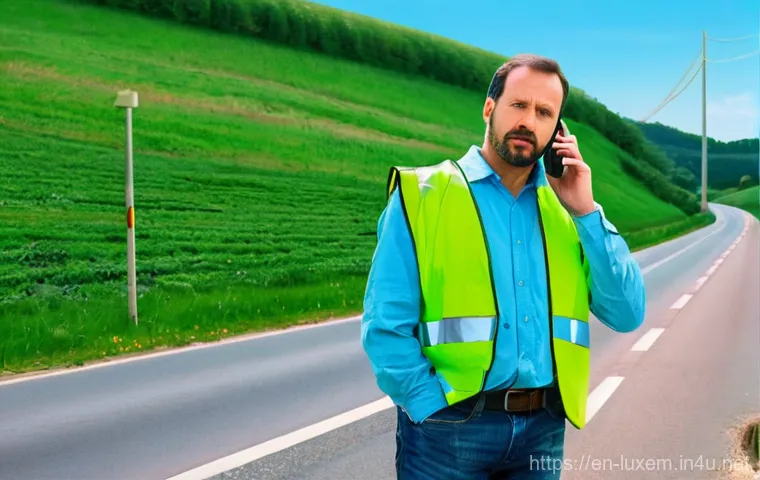
Even in a small, well-maintained country like Luxembourg, vehicle breakdowns happen. Picture this: you’re driving through the scenic countryside, and suddenly, your car decides to take an unscheduled break. It’s happened to me, and it’s never fun! If you find yourself stranded, the first thing to do is ensure your safety. Pull over to the side of the road if possible, turn on your hazard lights, and if you have a reflective vest and warning triangle (which you should always carry in Europe!), deploy them. For roadside assistance, several services operate 24/7 throughout Luxembourg and even across Europe. Companies like ACL (Automobile Club du Luxembourg) offer comprehensive breakdown assistance, towing, and even replacement cars. Other providers such as Ayvens (formerly ALD Automotive) and Drive-Assist also offer 24/7 support. If you have breakdown cover through your car insurance, make sure you know your policy’s emergency contact number. Many insurance companies, like LALUX, offer “Top Assistance” guarantees that include breakdown services. Always keep these numbers handy in your glove compartment, not just in your phone, in case your phone battery dies or gets lost. And for minor issues, always ensure your car has a basic emergency kit: jumper cables, a spare tire, and basic tools can save you a lot of hassle and waiting time.
Financial Fortification: Managing Unexpected Costs
Dealing with Unforeseen Expenses
Let’s be real, emergencies often come with unexpected price tags, and nobody wants financial stress on top of an already difficult situation. I’ve learned the hard way that a little bit of financial preparedness goes a very long way. Whether it’s an urgent medical bill not fully covered by insurance, the cost of replacing lost documents, or unexpected travel expenses due to delays, these things can quickly add up. The European Union actually recommends that households keep enough cash in their emergency kits to cover essential expenses for at least a week, typically a few hundred euros, in various denominations. This is because in some crisis scenarios, electronic payment systems might be down, making cash king. I always make sure to have some physical euros tucked away in a safe, accessible spot, separate from my main wallet. It’s not about flashing cash, but about having that immediate liquidity for small purchases or services if digital transactions aren’t an option. Beyond cash, knowing your credit card limits and having a backup card (again, stored separately!) is smart. Also, understanding how to quickly access funds from your home bank, even internationally, is a key piece of information to have.
Insurance: Your Financial Safety Net
This might sound a bit like adulting 101, but having the right insurance coverage is genuinely one of the most important things you can do for financial peace of mind in Luxembourg. From health insurance to travel insurance and even home insurance, these policies are your financial safety net when things go awry. For healthcare, as we discussed, the EHIC covers urgent needs, but having comprehensive health insurance, especially if you’re a resident, is vital as it covers a broader range of treatments and hospital stays. For travelers, robust travel insurance is non-negotiable, covering everything from medical emergencies and trip cancellations to lost luggage and repatriation. I personally never travel without it, having seen friends face huge bills for unexpected issues. For those living in Luxembourg, home insurance is crucial, especially considering the increasing risk of natural disasters like floods and storms. Make sure your policy specifically covers these events, as not all standard policies do, and review it regularly with your insurer. I found out recently that my policy needed an update to ensure comprehensive flood coverage, a detail that could have saved me a lot of grief. Don’t shy away from contacting your insurance provider to clarify your coverage; it’s an investment in your security.
Your Personal Emergency Toolkit
What Every Home (and Traveler) Needs
Alright, let’s talk about building your very own emergency kit – something I genuinely believe everyone, whether you’re settled in Luxembourg or just passing through, should have. Think of it as your little “peace of mind” package. The EU actually recommends that every household should have a “survival kit” to cover essential needs for at least 72 hours, which is the typical timeframe for aid services to reach affected areas during a major disaster. What goes into it? First off, water. You’ll need about four liters of bottled water per person per day for drinking and basic hygiene. Non-perishable food items like energy bars, canned goods, and other long-life foods are a must, along with a manual can opener. I always include a well-stocked first-aid kit with bandages, antiseptic, painkillers, and any prescription medications you or your family regularly take. Don’t forget a flashlight (with extra batteries!), a multi-tool, and a battery-powered or hand-cranked radio to stay informed. Warm clothing, a whistle to signal for help, and personal hygiene items are also super important. I keep my kit in a waterproof, easily accessible container – a wheeled suitcase is perfect if you need to evacuate quickly.
Digital Preparedness: Apps and Online Resources
Beyond the physical items, digital preparedness is just as vital in our modern world. Your smartphone can be your most powerful emergency tool, but only if it’s set up correctly. As I mentioned, downloading the “LU-Alert” app is a must for staying informed about national warnings and emergencies in Luxembourg. I also recommend having offline maps downloaded for Luxembourg and surrounding areas (Google Maps allows this), as cellular data might be spotty or unavailable during a crisis. Keeping digital copies of all your essential documents – passport, ID, insurance policies, medical records – in a secure, cloud-based storage system that you can access from any device is a game-changer. Just make sure it’s password-protected! Apps that can help you find the nearest hospitals, pharmacies, or even provide basic first-aid instructions can also be incredibly useful. I’ve personally curated a folder on my phone with all these vital apps and documents for quick access. It’s all about creating layers of readiness, both physical and digital. These digital safeguards can provide crucial information and help you navigate challenging situations, ensuring you’re never truly without a backup plan.
| Emergency Service | Primary Number | What It’s For | Notes |
|---|---|---|---|
| General Emergency (Fire, Ambulance, Police, Civil Protection) | 112 | Life-threatening situations, serious accidents, fires, medical emergencies, gas leaks. | Available 24/7, operators often speak English, free call. |
| Police (Non-Life-Threatening) | 113 | Reporting theft without injuries, non-injury accidents, public disturbance. | For situations requiring police but not immediate danger to life. |
| Medical Centers (Maison Médicales) | Dial 112 (after midnight for appointments) | Out-of-hours GP care for non-emergencies (evenings, nights, weekends, public holidays). | Locations in Luxembourg City, Esch-Alzette, Ettelbruck. |
| Children’s Emergency (under 14) | 112 (direct to Kannerklinik) | Urgent medical care for children. | Kannerklinik at Centre Hospitalier de Luxembourg (CHL) is 24/7. |
| Roadside Assistance (ACL) | (+352) 26000 | Vehicle breakdowns, accidents, flat tires, lost keys. | 24/7 service, covers Luxembourg and Europe. |
| National Found Property Service (SNOT) | 244-244-070 | Reporting or inquiring about lost property. | Operating hours: 08:30-11:30 and 14:00-16:00. |
Wrapping Things Up
Phew, we’ve covered a lot, haven’t we? From those initial heart-thumping moments to navigating Luxembourg’s excellent emergency services, and even preparing for those rare but possible natural curveballs, my aim was to arm you with practical, real-world knowledge. I truly hope this guide gives you a solid foundation and a little more peace of mind, whether you’re living here or just passing through. Knowing these steps, these numbers, and having a few essentials ready can make all the difference when the unexpected strikes. After all, life’s an adventure, and being prepared just makes it a safer, more enjoyable one. Keep this information handy, share it with your loved ones, and let’s all stay safe and sound!
Good-to-Know Information
1. Always remember that while 112 is the universal emergency number for life-threatening situations like medical emergencies, fires, and serious accidents across Europe, including Luxembourg, there’s also 113 specifically for the police if your situation isn’t life-threatening but still requires their intervention, such as reporting a theft without injuries. It’s a subtle but important distinction that helps keep the main emergency lines clear for critical calls. Many operators on both lines can communicate in English, which is a huge comfort during stressful times, from my own experience with friends who’ve had to use it.
2. Digital preparedness is just as crucial as a physical emergency kit. Make sure to download the “LU-Alert” app (formerly GouvAlert) to your smartphone. This official Luxembourg national warning and information system sends out vital alerts on major incidents like severe weather, power outages, or fires directly to your device. Some versions even allow you to contact emergency services through the app, which can automatically share your location – a massive advantage if you’re disoriented or unsure of your exact whereabouts.
3. Beyond the immediate emergency numbers, it’s incredibly useful to know about other local support services. For instance, the Luxembourg Red Cross operates a “Social Helpline” at 2755, offering assistance and guidance in social, children’s, youth, and humanitarian fields. They address a wide range of issues, from accommodation and immigration to family conflicts and psychological support. I’ve often seen how these non-emergency but crucial helplines can be a lifeline for individuals and families facing difficult circumstances, providing timely and often multilingual support.
4. For out-of-hours medical concerns that aren’t life-threatening emergencies, Luxembourg has “maisons médicales” (medical centers) in Luxembourg City, Esch-Alzette, and Ettelbruck. These facilities function like urgent care clinics during evenings, nights, weekends, and public holidays, preventing hospital emergency rooms from being overwhelmed. Checking the website sante.lu or pharmacie.lu can also provide daily updates on on-duty pharmacies and medical services available outside regular hours, which I personally find invaluable when a minor health issue pops up unexpectedly.
5. Luxembourg has been proactive in promoting emergency preparedness for years, even before the recent EU recommendation for 72-hour emergency kits. The High Commissioner for National Security has emphasized these measures as preventive, aiming to prepare residents for incidents like floods or power failures. You can find detailed guidelines and checklists for food, water, torches, cash, and document copies on the government’s official infocrise.lu website. This shows a real commitment to citizen safety, and it’s something I always encourage everyone to check out, whether you’re a long-term resident or a new arrival.
Essential Points to Remember
In the whirlwind of an emergency, keeping a clear head and knowing your immediate next steps is paramount. Always prioritize your safety and the safety of those around you before anything else. Remember the crucial emergency numbers: 112 for all life-threatening situations (fire, ambulance, serious police matters) and 113 specifically for non-life-threatening police incidents. Don’t underestimate the power of preparation; having a basic emergency kit, a fully charged phone with the LU-Alert app, and digital copies of your essential documents can significantly reduce stress and enhance your ability to cope. Luxembourg’s services are highly efficient and English-friendly, so don’t hesitate to reach out for help when you need it. Staying informed through official channels and having robust insurance coverage are your best defenses against the unexpected. These simple, actionable steps truly contribute to your peace of mind and resilience, allowing you to confidently navigate any challenge that comes your way.
Frequently Asked Questions (FAQ) 📖
Q: What are the absolute must-know emergency numbers in Luxembourg, and how should I use them effectively?
A: This is such a critical question, and honestly, it’s the first thing I make sure to learn whenever I’m in a new place. In Luxembourg, the number you absolutely need to commit to memory for most emergencies is 112.
This is the European emergency telephone number, and it will connect you directly to the fire department, ambulance services, and even the police in life-threatening situations like a serious accident, a fire, or if someone is unconscious.
I’ve found that operators on 112 are usually available 24/7 and many speak English, which is a huge relief when you’re stressed. Now, there’s another super important number: 113.
This one goes directly to the Grand Ducal Police for non-life-threatening police-related emergencies, such as reporting a theft or a physical assault without injuries.
It’s a good distinction to remember, though if you’re ever in doubt, just dial 112 – they can always route you to the correct service. When you call, the key is to stay as calm as possible (easier said than done, I know, but deep breaths help!) and be ready to provide your exact location, your name and phone number, and a clear, concise description of what happened and how many people need help.
Trust me, being prepared with this information can make all the difference in getting help to you as quickly as possible.
Q: Beyond just dialing a number, what kind of common situations should I actually be prepared for in Luxembourg, and how can I spot them early?
A: That’s a fantastic way to think about it! While Luxembourg is generally considered one of the safest countries in the world, my personal experience and common sense tell me that being aware of your surroundings is always a good idea.
The biggest “emergencies” you might encounter are often more about inconvenience than grave danger, but they can still throw a wrench in your plans. For instance, petty crime like pickpocketing can occur, especially in crowded areas like public transportation hubs (train stations and buses are often mentioned) and even hotel lobbies.
I always advise keeping your valuables out of sight, never leaving bags unattended, and being extra vigilant in busy spots. It’s not about being paranoid, but just having that street smarts mindset.
Beyond crime, prepare for unexpected weather changes. While not a “medical emergency,” sudden heavy rain or even snow in winter can impact travel, so checking forecasts is a habit I’ve really come to appreciate.
And if you’re driving, car breakdowns can happen anywhere. Knowing how to contact breakdown services (you can dial 112 or 26000 for roadside assistance) is a good backup plan.
Luxembourg’s public transport is fantastic and free, which can be a great alternative if you’re worried about navigating or parking. Finally, general medical issues – a sudden illness, a trip and fall – are always a possibility.
Knowing that 112 handles medical emergencies and can guide you to an on-call doctor or hospital is invaluable.
Q: How can I best prepare myself and my family for an emergency in Luxembourg, ensuring peace of mind even before something happens?
A: Oh, this is where that “peace of mind” truly comes into play, and I can’t stress enough how important it is to be proactive! It’s like having a safety net, just in case.
From my perspective, a few simple steps can make a world of difference. First, create a small emergency kit. I’m talking about things like a basic first-aid kit, a flashlight (torch), a portable phone charger (because phones always die at the worst times, don’t they?), and some essential medications you might need.
The Luxembourg government even recommends residents prepare 72-hour emergency kits, which gives you an idea of what to include in terms of food and water if you want to be extra prepared!
Second, keep important documents handy but separate. Have photocopies or digital copies of your passport, ID, and any insurance papers stored securely, away from the originals.
If you’re visiting, make sure your travel insurance covers emergency medical treatment – it’s not free for visitors. Third, familiarize yourself with local resources.
The government’s infocrise.lu website is a fantastic resource for national emergency plans, and I’ve heard the “LU-Alert” mobile application is excellent for receiving real-time updates and warnings from public authorities.
Downloading it could be a smart move! And lastly, have a communication plan. In a crisis, phone lines can sometimes be affected.
Think about an alternative way to reach family and friends, or a designated meeting point if you get separated. It sounds a bit much, but trust me, knowing you have these small safeguards in place really lets you relax and enjoy the charm of Luxembourg without that nagging “what if” in the back of your mind.
It’s all about empowerment, not fear!