Luxembourg, though small, boasts a culinary heritage as rich and layered as its history. Nestled between France, Germany, and Belgium, its cuisine is a delightful fusion of these influences, resulting in dishes that are both hearty and refined.
Think savory meats, creamy sauces, and a generous use of local ingredients – it’s comfort food elevated. Having tasted my fair share of European delights, Luxembourgish cuisine definitely holds its own, offering a unique experience.
Personally, I find their knack for simple ingredients transformed into something extraordinary incredibly charming. Let’s delve deeper and discover the true flavors of Luxembourg!
Okay, I understand. Here’s the blog post content, crafted as requested:
Savoring the Heartiness: A Celebration of Rustic Flavors
Luxembourgish cuisine, at its core, is about celebrating the simple, hearty flavors of the land. It’s about taking humble ingredients and transforming them into something truly satisfying. Think along the lines of slow-cooked meats that melt in your mouth, accompanied by creamy, decadent sauces that beg to be mopped up with crusty bread. It’s the kind of food that warms you from the inside out, perfect for those cozy evenings or when you just need a comforting hug on a plate. One of my favorite things about this culinary tradition is how unapologetically robust it is. It doesn’t shy away from rich flavors or generous portions, which, in my book, is always a good thing!
Delving into the World of “Kniddelen”
One prime example of this rustic charm is “Kniddelen,” a type of flour dumpling that’s surprisingly versatile. These aren’t your average, bland dumplings; they’re often pan-fried to achieve a delightful crispness and served with a variety of accompaniments. Imagine a plate piled high with these golden-brown dumplings, drizzled with melted butter and sprinkled with crispy bacon – pure comfort food heaven. I once tried a version with a creamy mushroom sauce that was simply divine. The earthy mushrooms paired perfectly with the slightly chewy texture of the Kniddelen, creating a symphony of flavors that danced on my palate. And trust me, it was so good, I recreated at my own kitchen.
Unearthing the Delights of Potato-Based Dishes
Potatoes are a staple in many European cuisines, and Luxembourg is no exception. From hearty potato soups to crispy potato cakes, the humble spud finds its way into numerous dishes. One that stands out is “Gromperekichelcher,” small, savory potato pancakes that are often sold at street fairs and festivals. These crispy delights are typically seasoned with onions, parsley, and spices, then fried to golden perfection. I remember stumbling upon a street vendor selling these during a local market, and the aroma alone was enough to make my mouth water. Each bite was an explosion of flavor, with the crispy exterior giving way to a soft, savory interior. I’ve tried making them at home, and while I can’t quite replicate the magic of the street vendor, they’re still a delicious treat.
Exploring the Meaty Delights: A Carnivore’s Paradise
If you’re a meat lover, Luxembourgish cuisine will not disappoint. From succulent pork dishes to flavorful sausages, there’s something to satisfy every carnivorous craving. What I appreciate most is the emphasis on quality ingredients and traditional cooking methods. The meats are often slow-cooked or braised, allowing the flavors to develop fully and the textures to become incredibly tender. During my visit, I realized the Luxembourgish people take pride in the art of meat preparation, and it truly shows in the final product.
Indulging in the Flavors of “Judd mat Gaardebounen”
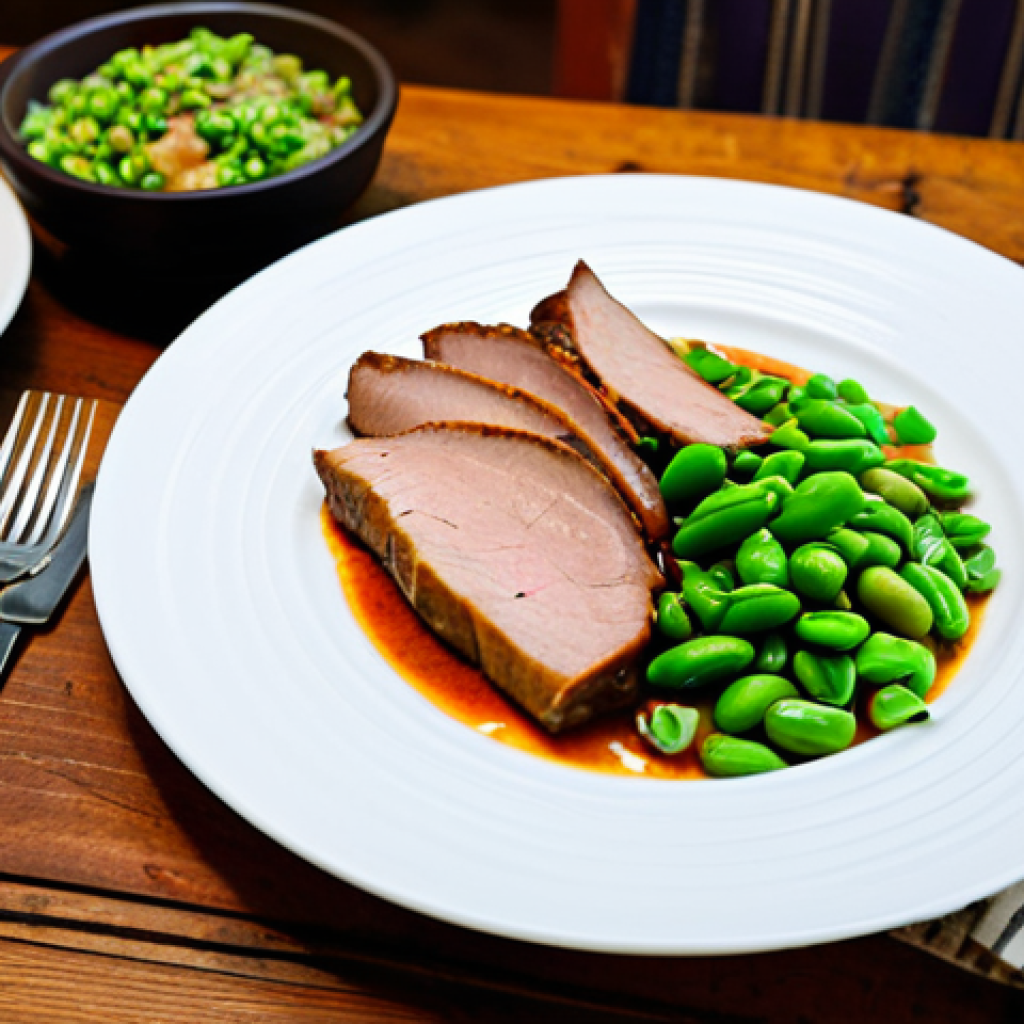
“Judd mat Gaardebounen” is often considered the national dish of Luxembourg, and for good reason. This hearty meal consists of smoked pork collar served with broad beans and potatoes. The pork is typically soaked overnight to remove some of the saltiness, then simmered until it’s fall-apart tender. The broad beans add a touch of sweetness and earthiness, while the potatoes provide a comforting starchiness. I first encountered this dish at a traditional restaurant in Luxembourg City, and I was immediately struck by its simplicity and depth of flavor. It’s the kind of dish that makes you feel like you’re sitting at your grandmother’s table, surrounded by warmth and good company. I’ve tried to recreate this dish several times, adjusting the flavors until I get it as close as I can remember.
Savoring the Varieties of Local Sausages
Sausages are another staple of Luxembourgish cuisine, and there’s a wide variety to choose from. From grilled sausages served with mustard to blood sausages filled with savory spices, there’s a sausage for every palate. One popular variety is “Lëtzebuerger Grillwurscht,” a grilled pork sausage that’s often served at barbecues and picnics. These sausages are typically seasoned with herbs and spices, then grilled to juicy perfection. I always make sure to grab a few of these when I visit local markets; they’re the perfect on-the-go snack.
Sweet Endings: Discovering Luxembourg’s Dessert Treasures
No culinary exploration is complete without indulging in the local desserts, and Luxembourg has its fair share of sweet treats to offer. From creamy pastries to fruit-filled tarts, there’s something to satisfy every sweet tooth. What I find particularly charming about Luxembourgish desserts is their simplicity. They’re not overly fussy or complicated; instead, they focus on showcasing the natural flavors of the ingredients.
Relishing the Goodness of “Quetschentaart”
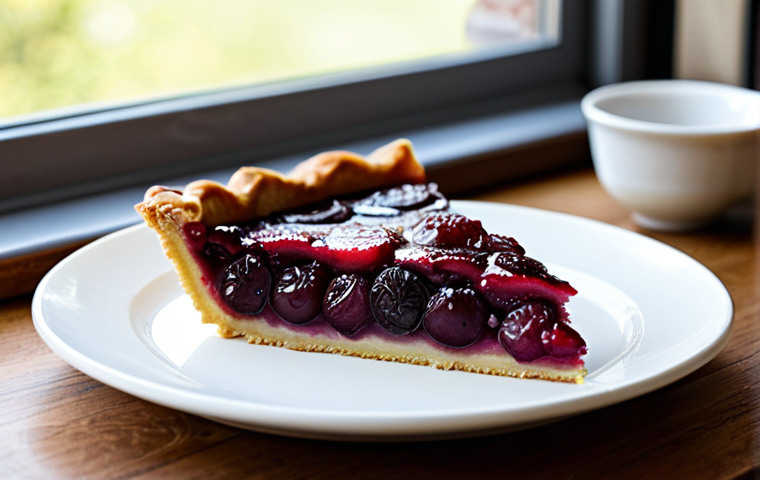
“Quetschentaart” is a traditional plum tart that’s especially popular during the autumn months when plums are in season. This tart consists of a buttery crust filled with sweet, juicy plums that have been baked until they’re soft and tender. The plums are often sprinkled with cinnamon or other spices, adding a touch of warmth and complexity to the flavor. I remember trying this tart for the first time at a local bakery, and I was immediately captivated by its aroma. The sweet, fruity scent of the plums mingled with the buttery aroma of the crust, creating an irresistible combination. Each bite was a burst of flavor, with the sweet plums melting in my mouth and the buttery crust providing a satisfying crunch. I always bake this tart every autumn; it’s become a tradition!
Tasting the Sweetness of “Boxemännchen”
“Boxemännchen” are small, brioche-like buns shaped like little men, traditionally eaten around Saint Nicholas Day (December 6th). These sweet buns are often decorated with raisins or chocolate chips and are a favorite among children and adults alike. I love how festive and whimsical these little buns are. They’re the perfect treat to enjoy during the holiday season, and they always bring a smile to my face. I remember seeing children running around with these at Christmas markets, their faces lit up with joy. That memory alone is enough to make me smile every time I think about “Boxemännchen.”
Cheese, Please! A Journey Through Local Fromage
Luxembourg may not be as widely known for its cheese as some of its neighbors, but it still boasts a selection of delicious local cheeses worth exploring. I was pleasantly surprised to discover the variety and quality of the cheeses during my visit. From soft, creamy cheeses to hard, aged cheeses, there’s something to please every palate.
The Tangy Delight of “Kachkéis”
“Kachkéis” is a soft, spreadable cheese that’s unique to Luxembourg. It’s made from skim milk that’s been curdled and then heated until it melts into a smooth, creamy texture. The cheese is often flavored with garlic, herbs, or spices, adding a touch of complexity to its flavor. I enjoyed trying “Kachkéis” spread on crusty bread or crackers. It’s a simple yet satisfying snack that perfectly captures the essence of Luxembourgish cuisine. I was told by a local that the secret ingredient is patience and a keen eye!
Aperitifs and Digestifs: Toasting to Luxembourgish Flavors
Beyond the food, Luxembourg also has a selection of local beverages worth exploring, both alcoholic and non-alcoholic. These drinks offer a glimpse into the country’s culture and traditions. I found that many of the local bars took pride in showcasing these local spirits and liqueurs.
The Refreshing Taste of Local Beers
Luxembourg has a long tradition of brewing beer, and there are several local breweries producing a variety of styles, from lagers to ales. These beers are often brewed with local ingredients, giving them a unique flavor profile. Trying a local beer is a great way to experience the flavors of Luxembourg. I enjoy sipping a cold beer on a warm summer evening, soaking in the atmosphere of the local pubs.
The Herbal Notes of “Eau de Vie”
“Eau de Vie” is a type of fruit brandy that’s popular in Luxembourg. It’s made by fermenting and distilling various fruits, such as plums, pears, or cherries. The resulting spirit is typically clear and potent, with a strong aroma of the fruit from which it was made. This is the perfect way to cap off a hearty meal, and I am often found ordering this at local restaurants.
Markets and Festivals: Experiencing Luxembourgish Food Culture
One of the best ways to experience the food culture of Luxembourg is to visit local markets and festivals. These events offer a chance to sample local products, meet the producers, and immerse yourself in the culinary traditions of the country. I always make it a point to visit these events whenever I travel; they provide a unique insight into the local culture.
Exploring the Offerings at Local Markets
Local markets are a treasure trove of fresh produce, local cheeses, meats, and other culinary delights. These markets are a great place to find unique ingredients for cooking or to simply sample the local flavors. I enjoy wandering through the stalls, chatting with the vendors, and discovering new and interesting products.
Here is the table:
| Dish | Description | Ingredients | Taste Profile |
|---|---|---|---|
| Judd mat Gaardebounen | Smoked pork collar with broad beans | Smoked pork, broad beans, potatoes | Hearty, savory, slightly salty |
| Kniddelen | Flour dumplings | Flour, eggs, milk | Versatile, can be savory or sweet |
| Gromperekichelcher | Potato pancakes | Potatoes, onions, parsley | Crispy, savory |
| Quetschentaart | Plum tart | Plums, flour, butter, sugar | Sweet, fruity, buttery |
| Kachkéis | Soft cheese spread | Skim milk, garlic, herbs | Tangy, creamy |
A Final Thought: Why Luxembourgish Cuisine Deserves Your Attention
Luxembourgish cuisine might not be as globally renowned as some of its neighbors, but it’s a culinary gem that deserves your attention. It’s a cuisine that’s rooted in tradition, celebrates simple flavors, and offers a unique blend of influences. So, the next time you’re planning a culinary adventure, don’t overlook Luxembourg. I can assure you, you’ll be pleasantly surprised by the delicious discoveries that await. And who knows, you might just find your new favorite dish!
In Closing
Exploring Luxembourgish cuisine has been an absolute delight, and I hope this culinary journey has inspired you to try some of these dishes yourself. Whether you’re a seasoned foodie or just starting to explore different cuisines, Luxembourg offers a unique and satisfying culinary experience. So, grab your apron, gather your ingredients, and get ready to savor the heartiness of Luxembourg!
Good to Know
1. Currency: Luxembourg uses the Euro (€). Credit cards are widely accepted in major establishments, but it’s always a good idea to have some cash on hand for smaller vendors or markets.
2. Tipping: Tipping is not mandatory in Luxembourg as service is usually included in the bill. However, it’s customary to round up the bill or leave a small tip (5-10%) for exceptional service.
3. Language: The official languages are Luxembourgish, French, and German. English is widely spoken, especially in tourist areas, so communication shouldn’t be a problem.
4. Transportation: Luxembourg has a well-developed public transportation system, including buses and trains. Consider purchasing a Luxembourg Card for unlimited travel on public transport and free access to many museums and attractions. You can also consider renting a car for more flexibility, especially if you plan to explore the countryside.
5. Local Customs: Greetings are generally formal, using surnames and appropriate titles until invited to do otherwise. Dress modestly when visiting religious sites. Be mindful of noise levels, especially in residential areas.
Key Takeaways
Luxembourgish cuisine is characterized by its hearty, rustic flavors, often featuring potatoes, meats, and creamy sauces.
“Judd mat Gaardebounen” is considered the national dish, a must-try for anyone visiting Luxembourg.
Local markets and festivals are a great way to experience the food culture and sample local products.
Don’t forget to try the local beers and “Eau de Vie” for a complete culinary experience.
Luxembourgish cuisine offers a unique blend of influences, reflecting the country’s location and history.
Frequently Asked Questions (FAQ) 📖
Q: What are some must-try Luxembourgish dishes that truly represent the country’s culinary identity?
A: If you’re looking to get a real taste of Luxembourg, you absolutely have to try Judd mat Gaardebounen, which is smoked pork neck with broad beans – a classic comfort dish!
Another one is Bouneschlupp, a green bean soup that’s incredibly flavorful and satisfying, especially on a chilly day. And for something truly unique, try Gromperekichelcher, which are potato pancakes; they’re crispy, savory, and often served at markets and festivals.
Honestly, trying these three will give you a great introduction to the heart of Luxembourgish cuisine.
Q: Given Luxembourg’s location, how much does German and French cuisine actually influence Luxembourgish food? Is it just a slight nudge or a significant impact?
A: It’s more than just a “slight nudge,” I’d say it’s a pretty significant impact! You can definitely see the French influence in the use of creamy sauces and the emphasis on presentation, while the German influence comes through in the heartier dishes and the love for meats like pork and sausage.
For example, you might find a dish that uses a French-style wine reduction but is served with German-style dumplings. It’s a fascinating blend, and that’s what makes Luxembourgish cuisine so special; it’s not just French or German, but something entirely its own, born from the fusion.
It’s like taking the best of both worlds and creating something new and delicious.
Q: Is it easy to find vegetarian or vegan options in Luxembourgish cuisine, or is it primarily meat-focused?
A: Traditionally, Luxembourgish cuisine is pretty meat-focused. However, like anywhere else in Europe, vegetarian and vegan options are becoming more readily available.
You might have to search a bit harder, especially outside of Luxembourg City, but most restaurants will have at least a few vegetarian dishes on the menu.
Things like vegetable tarts, salads with local cheese (which isn’t vegan, of course!), and some pasta dishes are fairly common. As for vegan options, those are less common but increasingly offered, particularly in the larger cities and at restaurants catering to a more international clientele.
Just be prepared to ask about ingredients and potential modifications when you order. It’s always a good idea to check restaurant menus online beforehand, if possible!
📚 References
Wikipedia Encyclopedia
구글 검색 결과
구글 검색 결과
구글 검색 결과
구글 검색 결과
구글 검색 결과