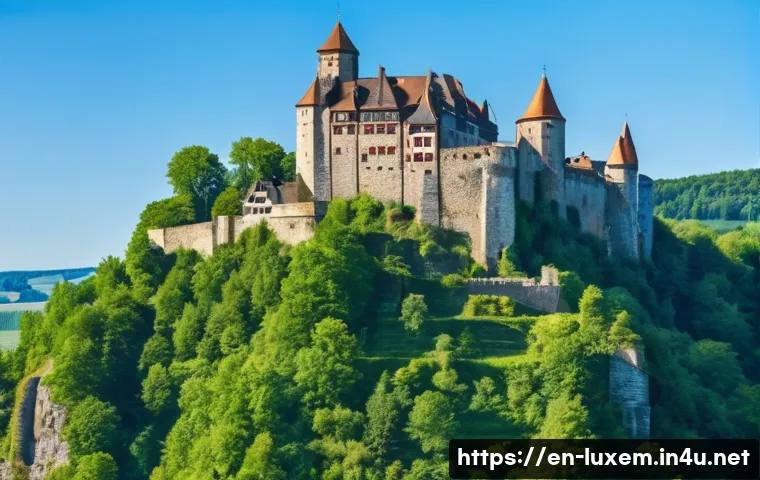
Luxembourg’s origins trace back to a small medieval fortress that gradually grew into a significant European stronghold. Positioned at the crossroads of major powers, its unique location made it a coveted prize throughout history.
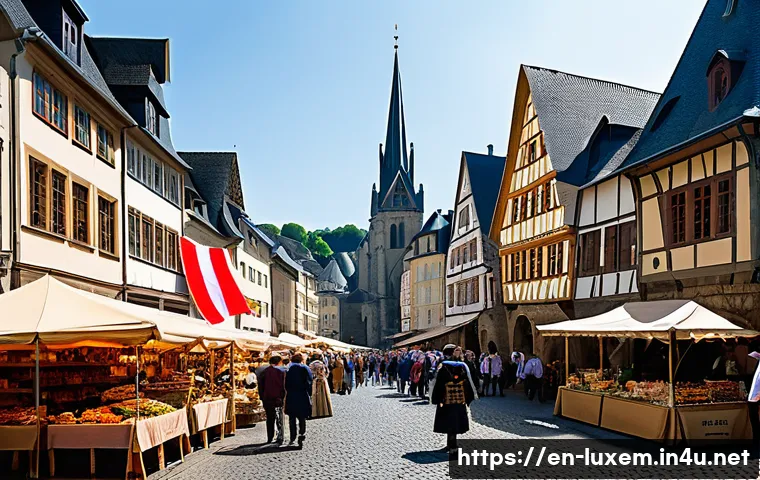
Over centuries, Luxembourg evolved from a strategic defensive site into a thriving center of culture and commerce. Its foundation story is a fascinating blend of feudal ambition, political intrigue, and resilience.
Understanding this background sheds light on how a tiny territory carved out a distinct identity in Europe. Let’s dive deeper and explore the intriguing history behind Luxembourg’s foundation!
The Strategic Rise of a Fortress
Origins of the Fortress
The story begins with a modest stronghold built atop a rocky outcrop, which would eventually become Luxembourg. This fortress was initially constructed in the early 10th century, primarily for defense against invasions and to control key trade routes.
Its location was no accident; nestled at the junction of what are now France, Germany, and Belgium, the site offered a vantage point to monitor movements and protect territories.
The original keep, known as Lucilinburhuc, was a symbol of feudal power and military foresight. Over time, this small fortification attracted settlers, merchants, and soldiers, who recognized the advantages of its natural defenses and strategic position.
Geopolitical Importance in Medieval Europe
Luxembourg’s location made it a hotspot for competing powers, including the Holy Roman Empire, France, and Burgundy. Its fortress served not just as a military outpost but as a bargaining chip in the political chess game of medieval Europe.
Lords and emperors sought to control it to secure borders and influence commerce. This constant tug-of-war shaped Luxembourg’s early political landscape, forcing it to develop strong defenses and diplomatic agility.
The fortress wasn’t just a building; it was the heart of a growing power that could pivot between alliances, maintaining a delicate balance in a turbulent era.
The Fortress as a Catalyst for Urban Growth
The protection offered by the fortress encouraged population growth and economic activity in the surrounding area. Artisans, traders, and farmers settled nearby, taking advantage of the relative safety and emerging markets.
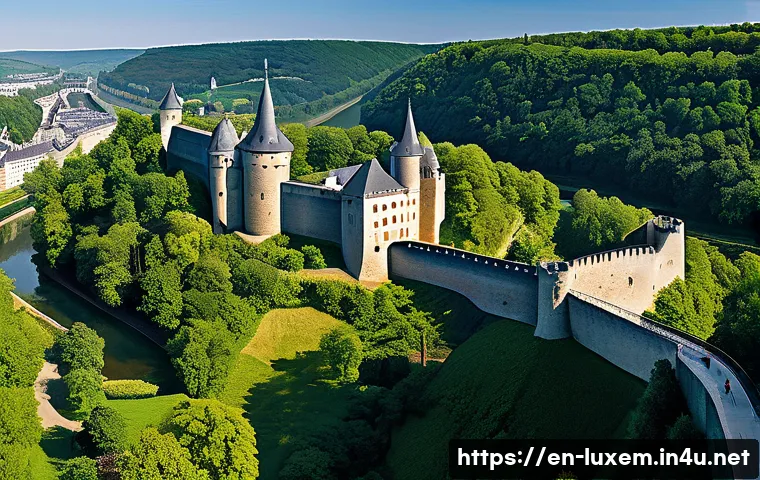
Over the centuries, the fortress expanded with walls and towers, reflecting the increasing wealth and importance of the town. This gradual transformation from a military installation to a bustling urban center laid the groundwork for Luxembourg’s future as a key cultural and economic hub in Europe.
Feudal Ambition and Political Intrigue
The Role of the Counts of Luxembourg
The Counts of Luxembourg were pivotal in shaping the region’s destiny. Their ambition extended beyond mere survival; they sought to establish a lasting dynasty by expanding their influence through marriage, warfare, and alliances.
The family’s rise was marked by shrewd political maneuvering, securing titles and lands that extended their reach. Their leadership was instrumental in transitioning Luxembourg from a fortress town into a recognized territorial entity with a distinct identity.
Personal ambitions intertwined with regional politics, driving Luxembourg’s growth.
Marriage Alliances and Expansion
One of the most effective tools for the Luxembourg counts was strategic marriage. By marrying into powerful noble families, they forged alliances that brought political support and territorial gains.
These unions connected Luxembourg to influential dynasties across Europe, from the Holy Roman Empire to the French crown. Such alliances were double-edged swords, often pulling Luxembourg into broader conflicts but also elevating its status.
This web of connections helped cement Luxembourg’s place on the European stage and ensured its survival amid shifting political tides.
Challenges from Neighboring Powers
Despite their successes, the counts faced constant challenges from neighboring lords and kingdoms eager to control the fortress and its lands. These conflicts ranged from skirmishes to full-scale sieges, demanding resilience and adaptability.
The counts had to navigate delicate diplomacy while maintaining a strong military presence. Their ability to repel invasions and negotiate treaties was crucial for preserving Luxembourg’s autonomy.
This era of political intrigue tested the leadership and shaped Luxembourg’s reputation as a resilient and strategically savvy territory.
The Evolution into a Cultural Crossroads
Blending of Languages and Traditions
Luxembourg’s position at a crossroads of cultures meant it absorbed a rich mix of languages, customs, and traditions. Over time, this diversity became a defining feature of the region.
The coexistence of French, German, and Luxembourgish speakers created a unique cultural tapestry. Festivals, cuisine, and daily life reflected this blend, fostering a society that was both diverse and cohesive.
This cultural melting pot attracted artists, scholars, and merchants, enriching Luxembourg’s social fabric and contributing to its distinct identity.
Religious Influence and Architectural Heritage
Religious institutions played a central role in Luxembourg’s development, commissioning grand churches and monasteries that still stand today. These buildings are not only places of worship but also masterpieces of medieval and Renaissance architecture.
The church’s influence extended beyond spirituality, supporting education and charitable works that benefited the local population. This investment in culture and infrastructure helped Luxembourg evolve from a military stronghold into a center of learning and artistry.
The Rise of Trade and Commerce
As peace gradually took hold, Luxembourg leveraged its position to become a trading hub. Merchants capitalized on the intersecting trade routes, dealing in goods ranging from textiles to metals.
Markets flourished, and the town became a nexus for commerce between northern and southern Europe. This economic vitality supported urban growth and increased the wealth of local nobility and merchants alike.
The commercial expansion further solidified Luxembourg’s transformation from a fortress town into a dynamic economic player.
Survival Through Resilience and Diplomacy
Adaptation to Changing Political Landscapes
Luxembourg’s history is marked by its remarkable ability to adapt. Faced with changing rulers, shifting borders, and evolving political systems, the territory managed to retain a degree of autonomy through skillful diplomacy.
Rather than resisting change outright, Luxembourg’s leaders often negotiated terms that preserved their interests, balancing between powerful neighbors.
This pragmatic approach ensured survival through wars, treaties, and upheavals that might have otherwise erased smaller territories.
Military Innovations and Defense
The fortress itself evolved with advances in military technology. From simple stone walls to complex bastions designed to withstand cannon fire, Luxembourg invested in fortifications that kept it relevant in an era of changing warfare.
These upgrades were not only physical but also strategic, incorporating intelligence networks and alliances that enhanced defense capabilities. The ability to modernize defenses was a key factor in Luxembourg’s enduring security.
Legacy of Independence
Despite centuries of external pressures, Luxembourg laid the groundwork for its eventual recognition as an independent state. The resilience and diplomatic skill demonstrated throughout its history fostered a strong sense of identity and pride among its people.
This legacy continues to influence Luxembourg’s political culture today, emphasizing sovereignty, neutrality, and cooperation within Europe.
Key Milestones in Luxembourg’s Early History
Chronological Highlights
Important dates mark Luxembourg’s transformation from a fortress to a recognized territory. From the first mention of Lucilinburhuc in 963 to its elevation as a duchy in the 14th century, these milestones reflect the gradual accumulation of power and prestige.
Each event contributed layers to Luxembourg’s complex identity, illustrating how incremental changes can lead to profound outcomes.
Impact of External Treaties
Various treaties involving Luxembourg shaped its borders and political status. Agreements with neighboring states often redefined sovereignty and influenced Luxembourg’s role in European affairs.
These treaties demonstrate how diplomacy, rather than sheer military force, played a decisive role in the territory’s survival and growth.
The Role of Key Figures
Certain historical personalities stand out for their contributions to Luxembourg’s foundation. Leaders who negotiated alliances, defended the fortress, or expanded its influence left lasting marks on the region’s trajectory.
Their stories highlight the importance of individual agency in shaping history.
| Event | Date | Significance |
|---|---|---|
| First Recorded Mention of Lucilinburhuc | 963 | Marks the origin of Luxembourg as a fortress settlement |
| Elevation to County | 11th Century | Establishment of Luxembourg as a feudal territory under the Counts |
| Marriage Alliances Strengthen Power | 12th-13th Century | Expansion of influence through dynastic ties with European nobility |
| Luxembourg Becomes a Duchy | 1354 | Recognition of Luxembourg’s elevated status within the Holy Roman Empire |
| Treaty of London | 1839 | Formalizes Luxembourg’s borders and independence in modern Europe |
The Influence of Geography on Luxembourg’s Identity
Natural Defenses and Terrain
Luxembourg’s rugged terrain provided natural barriers that complemented its man-made defenses. Hills, rivers, and dense forests created obstacles for invaders and shaped settlement patterns.
This geography fostered a sense of security and influenced military strategies. The landscape also affected agriculture and trade routes, molding the economic foundation of the territory.
Crossroads of European Trade Routes
Situated at the intersection of important medieval trade routes, Luxembourg became a natural meeting point for merchants and travelers. This connectivity brought wealth and ideas, transforming the territory into a lively marketplace.
The influx of goods and cultures from surrounding regions enriched Luxembourg’s economy and social life, helping it punch above its weight in European affairs.
Borderland Dynamics
Being a border territory meant Luxembourg often found itself caught between larger powers. This position demanded a flexible political stance and cultivated a unique identity that balanced influences from France, Germany, and the Low Countries.
The borderland experience forged a culture of resilience, negotiation, and cooperation that remains a hallmark of Luxembourg’s character today.
From Fortress to Modern State Foundations
Transition from Military Stronghold to Administrative Center
As the military importance of castles waned, Luxembourg shifted focus toward governance and civil administration. The fortress evolved into a symbol of statehood, with institutions developing to manage justice, taxation, and public affairs.
This transition laid the groundwork for modern Luxembourg’s political system, blending tradition with innovation.
Emergence of a Distinct National Identity
Over centuries, the people of Luxembourg cultivated a sense of belonging tied to their unique language, customs, and history. This identity was distinct from neighboring nations, reinforced by shared experiences of defense and diplomacy.
The gradual assertion of this identity was crucial in Luxembourg’s journey toward sovereignty and international recognition.
Foundations for Economic Prosperity
The early blend of strategic location, cultural diversity, and political savvy set Luxembourg on a path toward economic growth. Its markets, craftsmanship, and trade networks created a sustainable economy that could support future development.
These foundations helped Luxembourg evolve into the prosperous nation known today, with a strong financial sector and vibrant cultural scene.
Concluding Thoughts
Luxembourg’s journey from a modest fortress to a thriving modern state showcases the power of resilience, strategic diplomacy, and cultural integration. Its unique geographic position shaped its identity and political importance throughout history. Understanding this evolution reveals how small territories can influence broader European dynamics. Luxembourg’s legacy continues to inspire with its blend of tradition and forward-thinking progress.
Useful Information to Keep in Mind
1. Luxembourg’s strategic location at the crossroads of Europe made it a key player in medieval politics and trade, influencing its development significantly.
2. The Counts of Luxembourg used marriage alliances effectively to expand their influence and secure political stability in a turbulent era.
3. The fortress’s natural defenses and continuous military upgrades ensured its survival amid frequent conflicts and power struggles.
4. Luxembourg’s cultural diversity, shaped by French, German, and Luxembourgish traditions, fostered a unique and cohesive society.
5. Diplomacy and adaptability were crucial in preserving Luxembourg’s autonomy, paving the way for its eventual independence and economic prosperity.
Key Takeaways
Luxembourg’s history is a testament to the importance of strategic geography, resilient leadership, and cultural blending in shaping a nation’s identity. Its ability to balance military defense with diplomatic finesse allowed it to thrive despite external pressures. The fortress that once guarded the land evolved into a symbol of sovereignty and economic vitality, highlighting the lasting impact of thoughtful governance and community growth.
Frequently Asked Questions (FAQ) 📖
Q: How did Luxembourg start as a fortress and grow into a significant European power?
A: Luxembourg’s origins lie in a small medieval fortress built around the 10th century, strategically located at the crossroads of powerful European regions.
Over time, this fortress became a key defensive stronghold, attracting attention from neighboring powers. Through a mix of military strength, shrewd alliances, and political maneuvering, Luxembourg gradually expanded its influence, transforming from a mere castle into a vital center of control and commerce.
This growth was fueled by its unique position and the resilience of its rulers who navigated the complex feudal landscape.
Q: Why was Luxembourg such a coveted territory throughout history?
A: Luxembourg’s location made it incredibly valuable because it sat at the intersection of several important European powers, including France, Germany, and the Low Countries.
Controlling Luxembourg meant having a strategic military advantage and influence over key trade routes. Its fortified position made it a natural defensive bastion, which is why many kingdoms sought to claim or control it.
The region’s economic potential, combined with its military significance, ensured it remained a hotly contested prize for centuries.
Q: What makes Luxembourg’s foundation story unique compared to other European countries?
A: Unlike many countries that grew from large kingdoms or empires, Luxembourg’s foundation story is rooted in the rise of a small fortress that managed to carve out a distinct identity despite its size.
Its history is a compelling mix of feudal ambition, political intrigue, and relentless resilience. The way Luxembourg balanced diplomacy and defense to survive and thrive amidst powerful neighbors is quite remarkable.
This unique blend of factors helped it evolve into a thriving cultural and economic hub, making its foundation story both fascinating and inspirational.